The Portrait Paradox
14 February – 9 May 2026
Williamson Art Gallery and Museum
Slatey Road, Oxton, Birkenhead, CH43 4UE
Free admission
Opening times:
Mon-Thu: 10am-5pm / Fri: 10am-9pm / Sat: 10am-5pm / Sun: closed
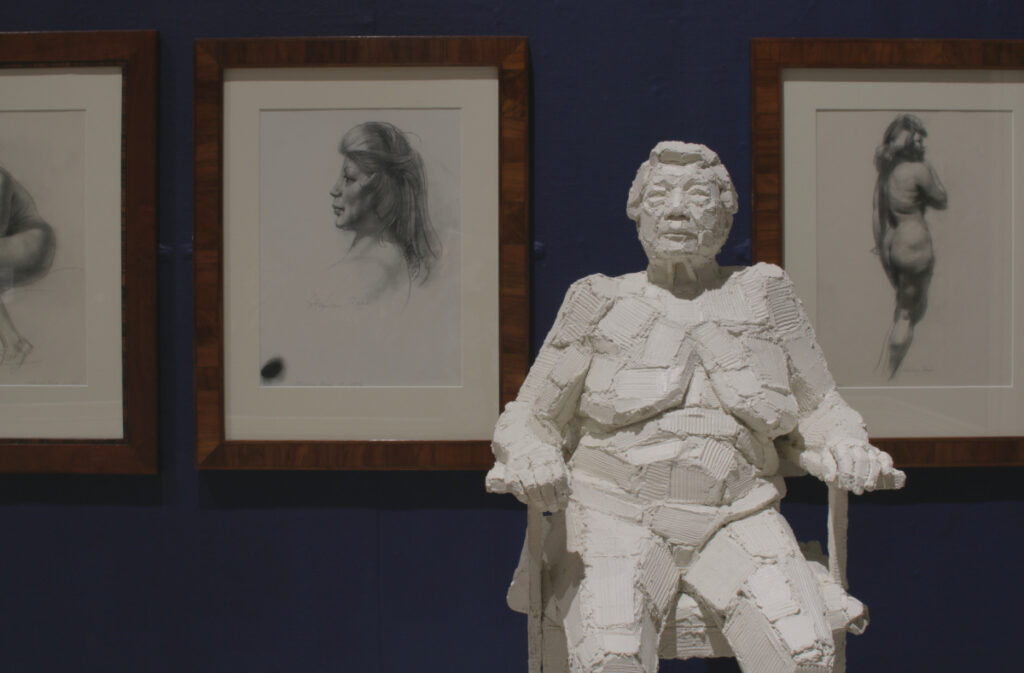
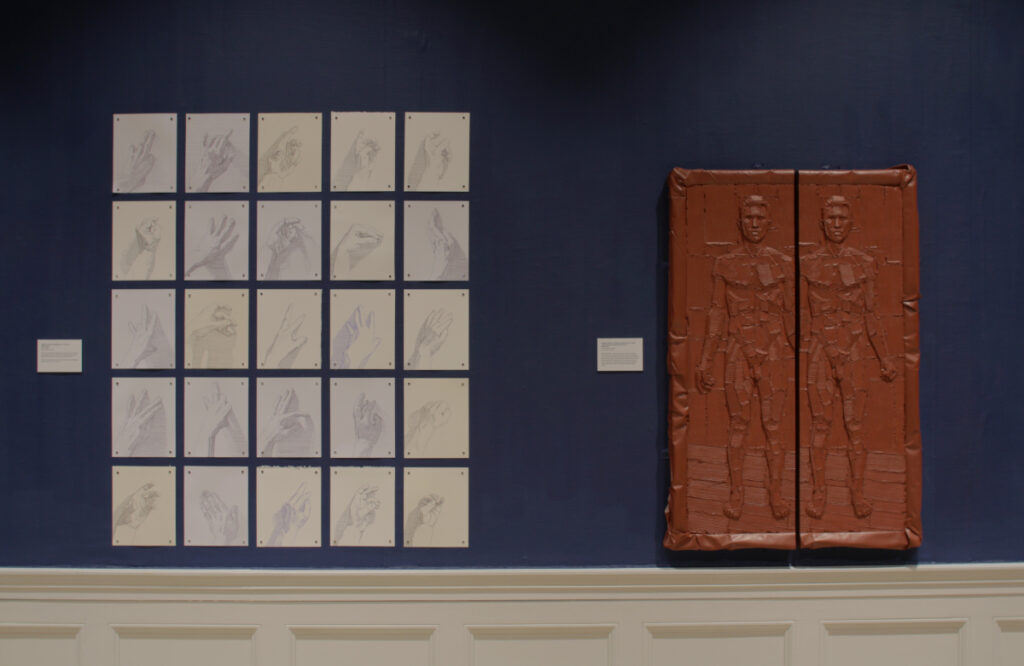
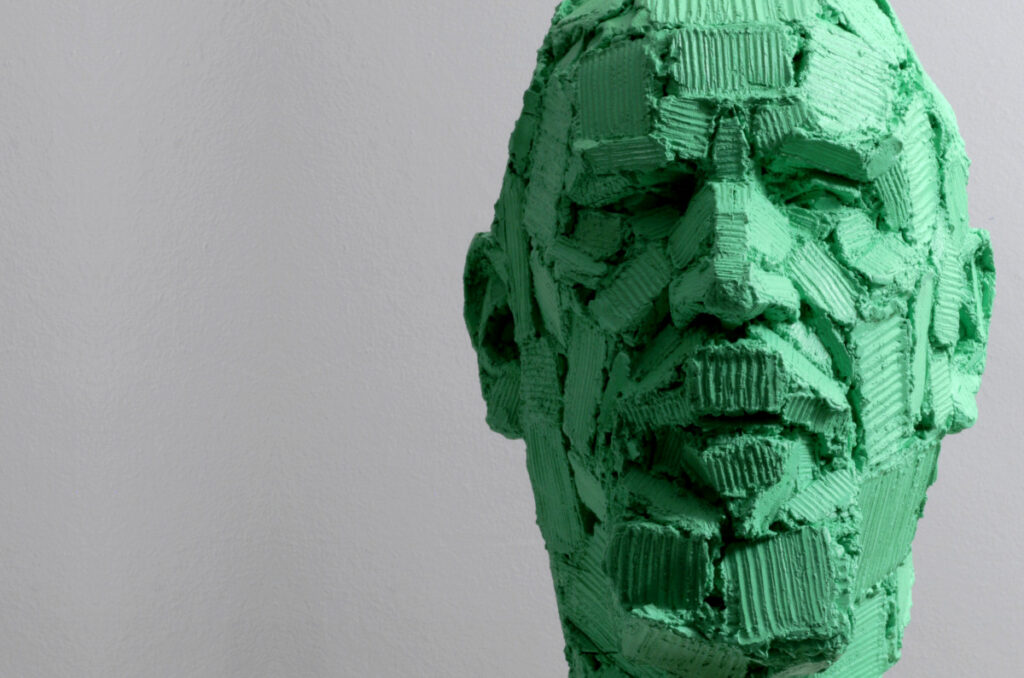
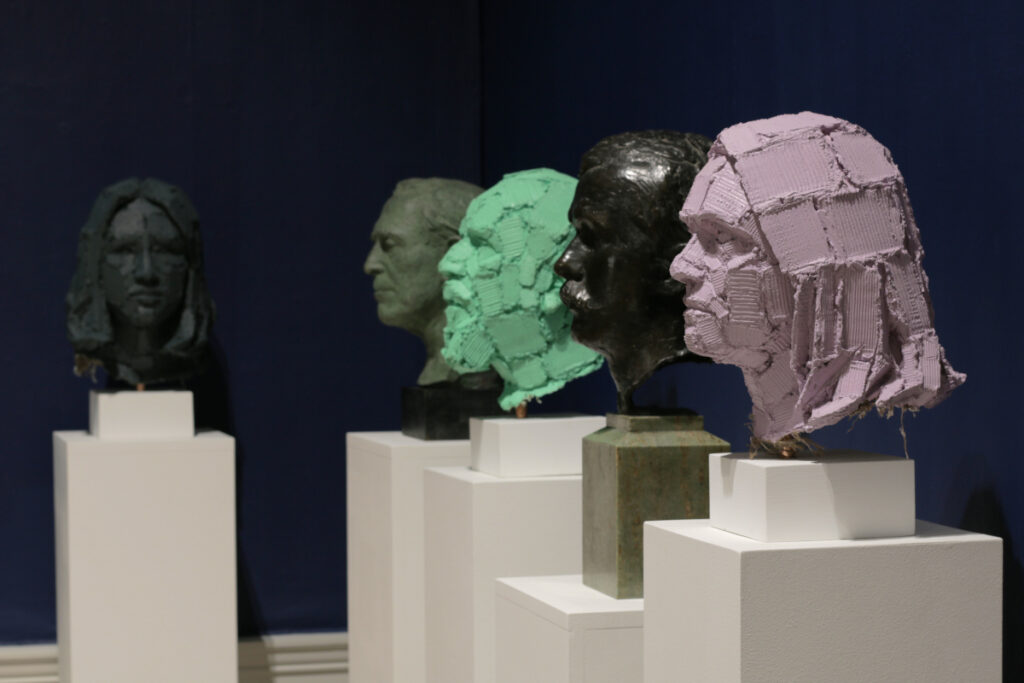
The Portrait Paradox is an exhibition curated by Adrian Jeans that explores the fascinating but overlooked tradition of portraiture. The exhibition brings together portraits from the Williamson Art Gallery & Museum’s collection and Jeans’ own portrait-based sculptures, drawings, photography and video.
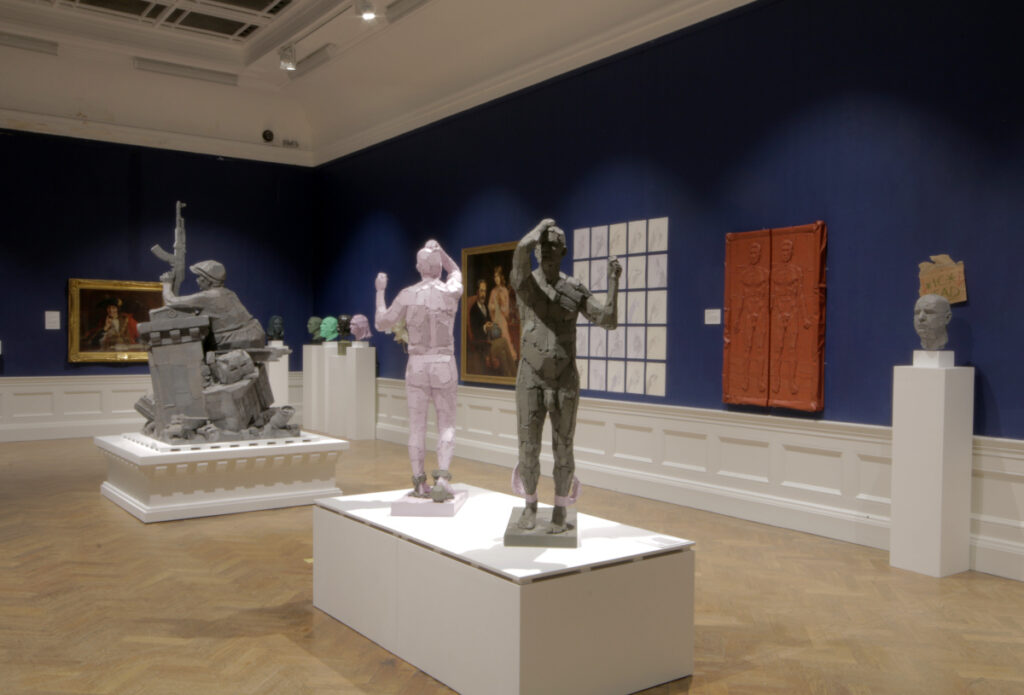
Installation view of The Portrait Paradox exhibition in The Williamson Gallery
Portraiture has a long history and has long been a significant part of art practice and art appreciation. It is also, unsurprisingly, a significant presence in the Williamson Art Gallery’s collections. Unfortunately, it also often lacks interest and is overlooked as being simplistic, gratuitous flattery and creatively insipid. The Portrait Paradox looks at the very real complexities behind the superficial simplicity and highlights some of the elements involved in what is actually a very loaded process.
Jeans says: “For me, portraiture has always been about more than just the human sitter and their character. Obviously the artist and their style of working is also present, but it goes beyond that to include the materials and processes used and how they affect the work; the history and canon of art; and the social context of its making and appreciation, which includes us viewers. These come together in a portrait, which is really a composite of many different portraits, and is a fascinating object in its own right.“
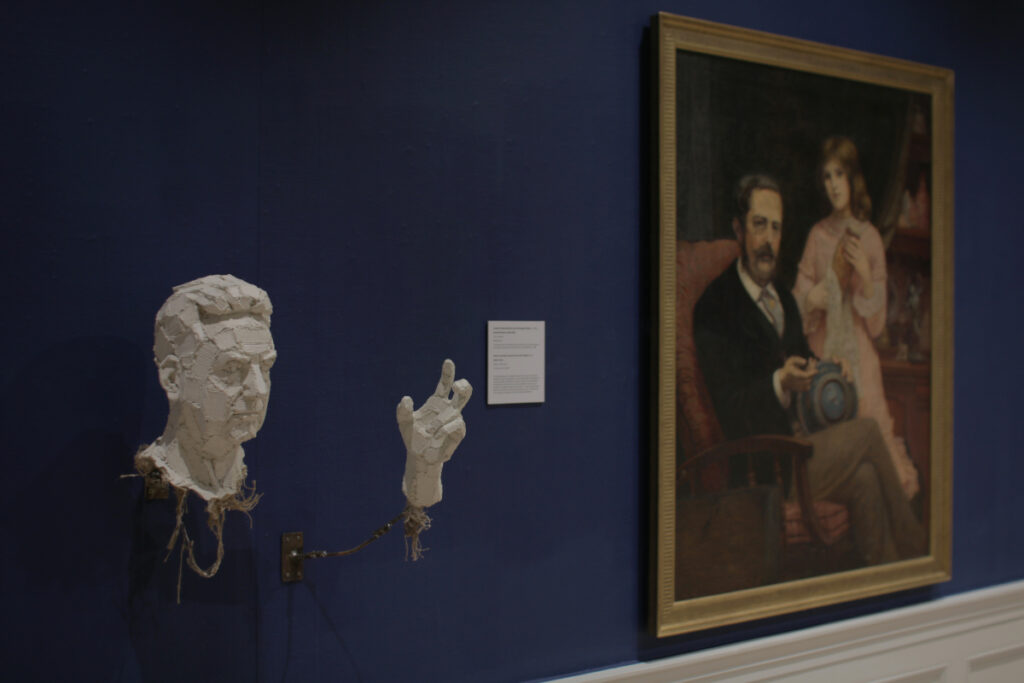
Left image: Listen to the Hand ‘Cause the Face Ain’t Talking by Adrian Jeans and Portrait of Philip Rathbone and his daughter Elfrida by Harold Rathbone from WAGM. ©Adrian Jeans and WAGM
Right image: Portrait busts from the WAG and Mood Studies by Adrian Jeans.
The Portrait Paradox draws out some of the implications this has for portraiture and shows how, at its best, portraiture goes beyond a simple paradigm to explore our wider humanity; how a progressive approach based on a deeper understanding can shine a unique light upon a wide range of historic and contemporary issues, ranging from racial identity and class politics to the sociology of personality and community.